Whistler is a year-round destination, and each season brings something different. Whether you’re dreaming of powder days, warm lake afternoons or quiet fall walks, the best time to visit Whistler really depends on what kind of trip you want. Here’s a season-by-season look to help you plan.
Winter (December to March)
Winter is Whistler’s most famous season. The ski season typically gets going in late November, and from December through March the mountains are in full swing. With two huge mountains, Whistler Blackcomb offers terrain for every level, from gentle beginner runs to wide-open alpine bowls. Off the slopes, the Village glows with lights, après patios are busy and snowshoeing and cross-country skiing trails open up around the valley.
The busiest times are the Christmas and New Year holidays, February long weekends and spring break in March. If you’re visiting during these periods, booking early is a must. For quieter slopes, consider January, after the holiday rush.
Spring (April to May)
Spring skiing is a Whistler favourite. Longer days, softer snow and plenty of sunshine make April a fun time to be on the mountain, often with the option of skiing in the morning and enjoying the patio in the afternoon. As the snow melts in the valley, the trails begin to open, and the Whistler Mountain Bike Park usually opens for the season in May.
Summer (June to August)
Summer surprises many first-time visitors. Warm days are perfect for swimming and paddling in Whistler’s lakes, exploring the Valley Trail and hiking alpine trails. The PEAK 2 PEAK Gondola runs for sightseeing, mountain biking takes over the slopes and the Village is lively with patios and events.
Fall (September to November)
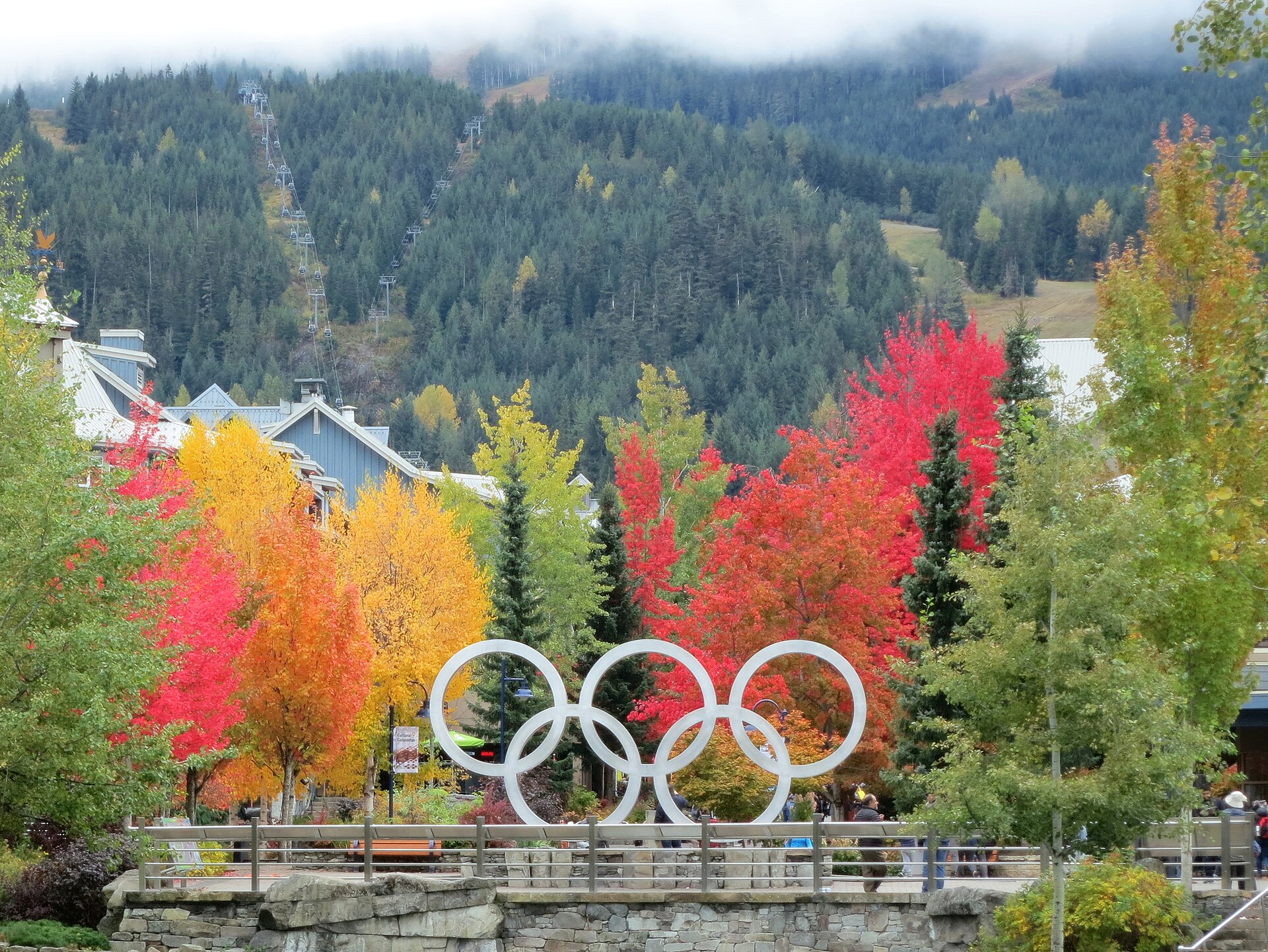
Fall is one of Whistler’s best-kept secrets. September often brings warm, settled weather, and by October the valley glows with autumn colours. It’s quieter, more relaxed and a lovely time for hiking, spa days and good food. In November, the Cornucopia festival celebrates food and drink as the town gets ready for winter. Note that some businesses may reduce their hours in the shoulder season.
So, When Should You Go?
- For skiing and snowboarding: December to March, with January for quieter slopes.
- For sunshine and spring snow: April.
- For lakes, hiking and biking: July and August.
- For fewer crowds and fall colours: September and October.
Whatever the season, staying close to the action makes it easier to enjoy more of Whistler. Browse our Whistler vacation rentals and book direct for your next stay.
Featured photo: Ruth Hartnup, CC BY 2.0, via Wikimedia Commons